How to Preserve Pregnancy Memories: 7 Creative Ways to Remember Every Moment
DearBaby Editorial Team
Family Keepsake Specialists

- Combine physical keepsakes (test sticks, hospital wristbands) with digital backups to prevent loss.
- Ultrasound paper fades within 2–5 years; digitize scans immediately in high resolution.
- Voice notes and audio heartbeat recordings capture raw emotional warmth that photos alone cannot convey.
- Write short, unpolished letters to baby across each trimester instead of waiting for a completed journal.
Pregnancy is a whirlwind of quiet milestones, sudden emotions, and tiny firsts that feel unforgettable in the moment—yet fade remarkably fast once sleepless nights and newborn routines arrive.
Whether it is the faint flutter of their first kick, the overwhelming sound of their heartbeat on the Doppler, or the excitement of decorating the nursery, preserving these moments gives your child a window into just how deeply loved they were before they even arrived.
Here are 7 creative, lasting ways to preserve your pregnancy journey through a combination of physical keepsakes and modern digital storytelling.
1. Create a Dedicated Digital Keepsake
Preserve media that physical scrapbooks cannot hold
Traditional paper baby books are wonderful, but they have major limitations: they cannot play the audio of your baby’s heartbeat, store video clips of an ultrasound kick, or easily be shared with long-distance grandparents.
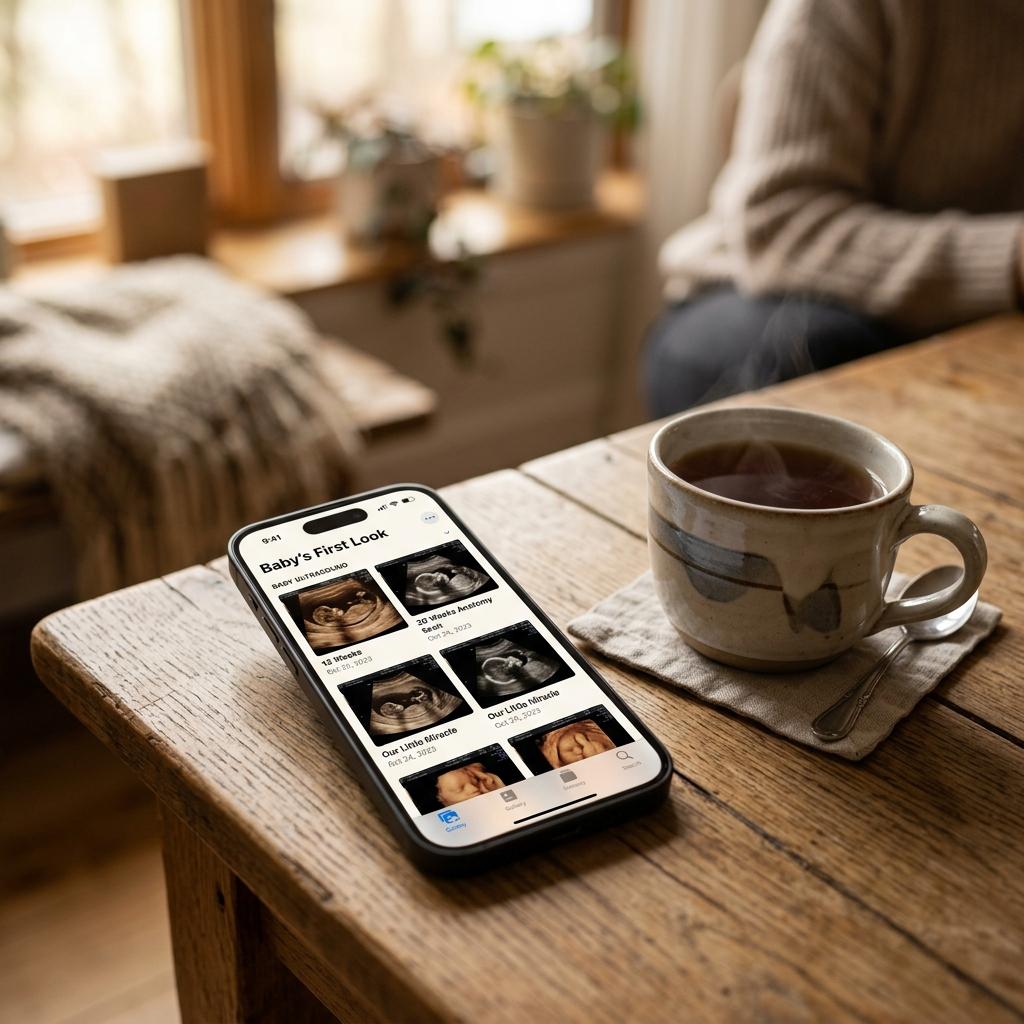
Using a private digital keepsake like DearBaby allows expecting parents to capture milestones in real time from their phones. You can upload ultrasound photos, record voice reflections right after doctor appointments, and write letters in an intimate, ad-free space.
2. Digitize & Preserve Ultrasound Scans Immediately
Thermal scan paper is not designed to last forever
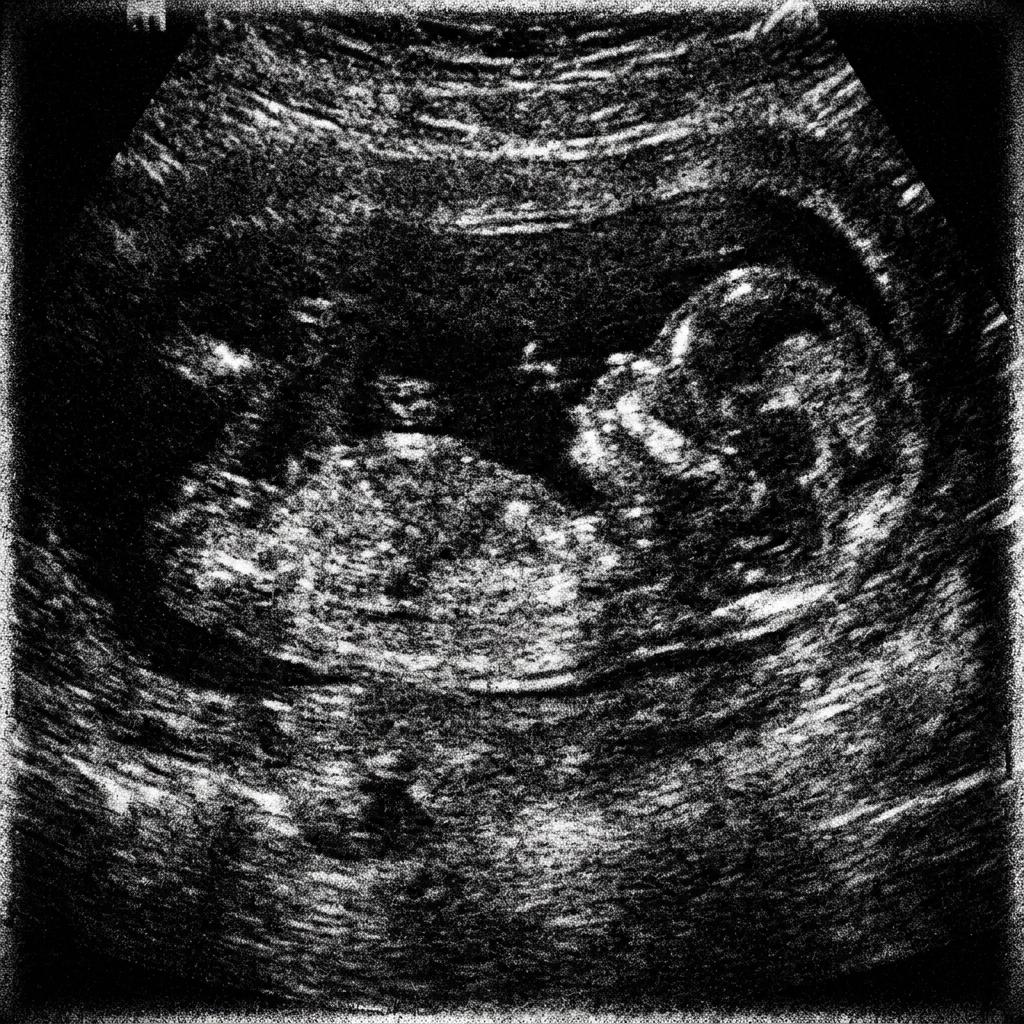
Most ultrasound scans given by obstetric clinics are printed on thermal paper (similar to store receipts). Heat, sunlight, and everyday friction cause these images to fade, yellow, or turn completely black within a few years.
Never laminate your original ultrasound photos, as the heat from the lamination machine will instantly destroy the print.
Instead, take high-resolution flat-lay photos or use a scanner app as soon as you get home. Keep the original in an acid-free envelope stored in a cool, dark drawer, and upload the digital version to your secure memory vault.
- Do not laminate ultrasound photos (heat blackens thermal paper).
- Scan or snap high-res photos in natural, indirect lighting.
- Store original thermal prints away from UV rays and moisture.
3. Record Voice Notes and Audio Keepsakes
Let them hear your voice from before they were born
Long before babies understand language, they recognize the rhythm and tone of their parents’ voices through the amniotic fluid. Recording regular voice messages is one of the most powerful gifts you can give your future child.
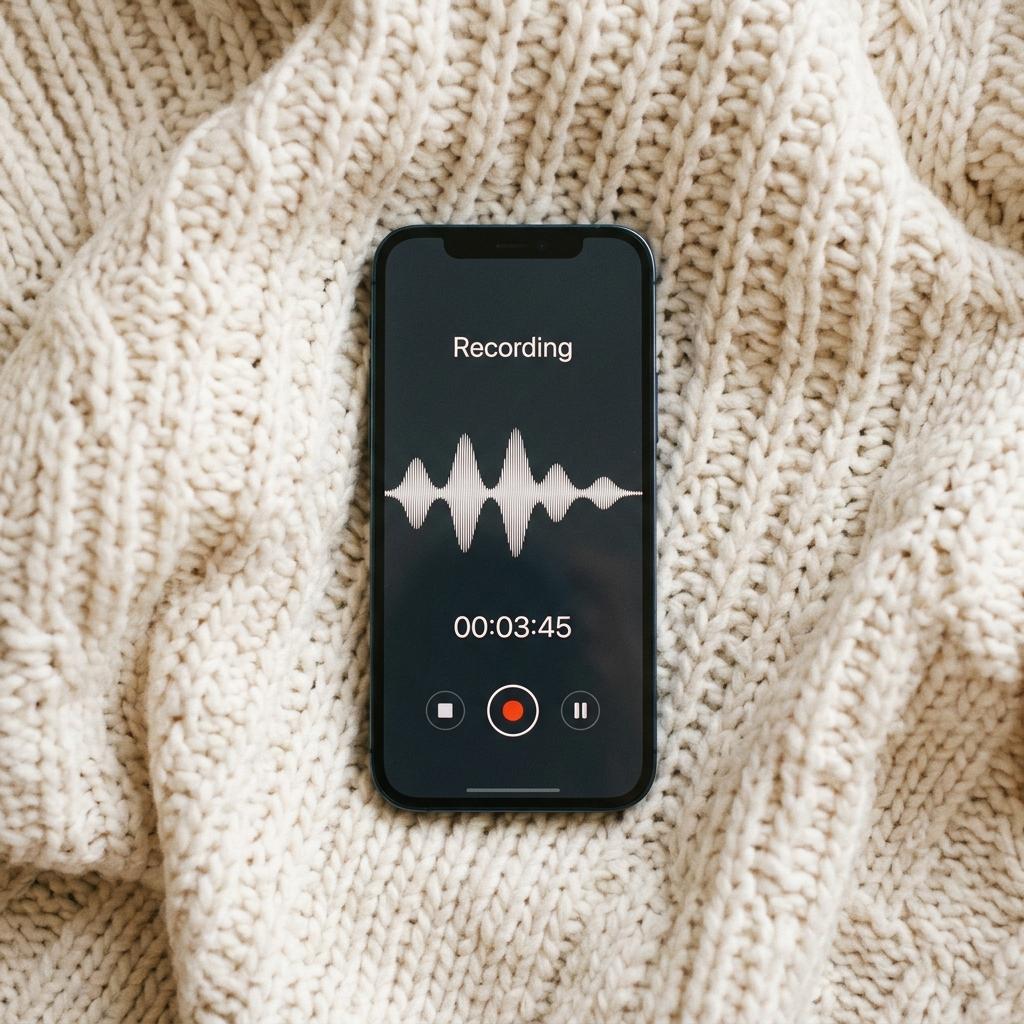
Record a 60-second voice memo describing how you felt seeing the first scan, what song played in the car on the way to the clinic, or your whispered wishes for their future.
Additionally, record the rhythmic swish of the baby’s heartbeat during your OB appointments. Listening back to that rhythm five, ten, or eighteen years later is an emotional experience unlike anything else.
4. Write "Dear Baby" Letters Across Trimesters
Unfiltered thoughts are more meaningful than perfect scrapbooks
Many parents put off journaling because they feel pressured to write poetic essays every week. The secret to consistent memory keeping is keeping entries short, honest, and frequent.
Write brief notes addressing your baby directly: "Today at 22 weeks, you gave three huge kicks during dinner" or "We finally picked out your nursery paint color today."
These informal, real-time reflections capture the authentic experience of pregnancy far better than retrospective notes written years later.
- First Trimester: The shock, the early secret, and the first ultrasound feelings.
- Second Trimester: The first kicks, energy returning, and nickname ideas.
- Third Trimester: Packing the hospital bag, nursery prep, and eagerly awaiting their arrival.
5. Build a Physical Memory Box for Tactile Treasures
Complement digital media with tangible objects
Some items deserve physical preservation: your positive pregnancy test (sealed hygienically or encased in clear acrylic), the clinic appointment card, the hospital wristband, and that first tiny newborn onesie you purchased.
Choose an acid-free archival storage box or an engraved wooden keepsake box. Line it with tissue paper and keep it stored in a climate-controlled room.
By combining a physical keepsake box for tactile objects with a digital journal for stories and audio, you enjoy the best of both worlds without cluttering your home.

6. Document Belly Bump Milestones with Consistent Perspective
Simple monthly check-ins that show the miracle of growth
You do not need a professional photo shoot every month to document bump progression. The best bump timelines are taken in the same spot, wearing similar comfortable clothing, against a plain wall.
Take a quick photo every 4 weeks starting from week 12. Add a two-sentence caption detailing how baby felt that week, what foods you craved, and how your body changed.
7. Share Updates Privately with Close Family Circles
Keep grandparents and aunts involved without public social media
Many modern parents are choosing not to broadcast their pregnancy or ultrasound scans on open public social networks due to privacy and digital footprint concerns.
Using a private sharing link allows you to invite grandparents, close siblings, and godparents into your journey without exposing sensitive health information or photos to algorithmic feeds.
Start saving your baby’s story today
Save ultrasound scans before they fade, record heartbeat voice memos, and write letters in an intimate private digital space.
Frequently Asked Questions
What is the best way to preserve pregnancy memories?
The best approach is a hybrid one: keep a physical keepsake box for tangible items (like hospital tags and first booties), and use a secure digital keepsake like DearBaby to back up ultrasound scans, write ongoing letters, and record voice notes and baby heartbeat audio.
Will ultrasound scans fade over time?
Yes. Most ultrasound scans are printed on thermal paper that degrades quickly when exposed to heat, sunlight, or friction. They often fade significantly within 2 to 5 years. Always scan or photograph them immediately.
Can you laminate an ultrasound picture?
No, you should never laminate an original ultrasound picture. The intense heat of thermal laminating machines will react with the thermal paper and turn the entire photo black, permanently ruining it.
How do you record baby heartbeat sound as a keepsake?
You can use your smartphone’s voice recorder app or a digital keepsake app during your routine prenatal checkup when the doctor uses the Doppler. Ensure you ask your healthcare provider beforehand.
Start Saving Your Story Today
You don’t have to wait until your baby is born to start their story. The 40 weeks you spend waiting for them are filled with quiet love, anticipation, and wonders worth holding onto.
With DearBaby, creating your private digital keepsake takes less than two minutes. Start recording your voice, uploading your scans, and penning your first letter today.
More Guides You Might Love
How to Save and Preserve Ultrasound Scans: Step-by-Step Guide for Thermal Prints & Digital Copies
Learn how to preserve ultrasound pictures without fading or heat damage. Step-by-step guidance on identifying print types, scanning, physical archival, and digital storage.
Why Audio Keepsakes Are the Most Emotional Pregnancy Memories You Can Save
Discover the unmatched emotional power of voice notes, audio letters, and heartbeat recordings before your baby arrives, and how to preserve them forever.